Singer Lab Team Publishes “Plant Anticipating Help” Hypothesis, Offering a New Model for Plant Defense Theory
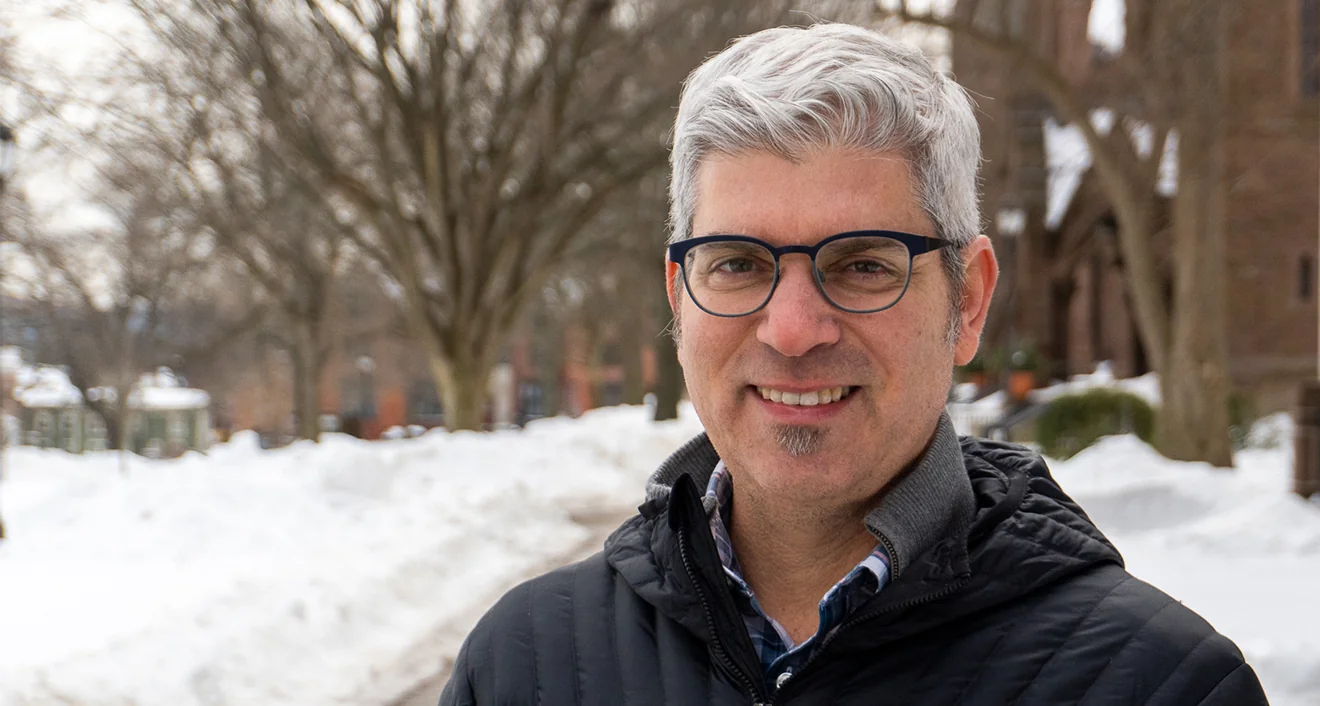
Professor Michael Singer is a professor of Biology at Wesleyan whose research sits at the interface of ecology and evolution. At the university, Singer leads a research lab on plant and animal interactions at 3 different trophic levels of organization: at the bottom level are plants, followed by insect herbivores, and predators that eat herbivorous insects, like ants, wasps, and birds. Research on tri-trophic interactions has strong implications for generating and maintaining biodiversity, given that these organisms make up a near 50% of Earth’s described species.
This year, the Singer Lab published a new hypothesis in plant defense theory called the “plants anticipating help” hypothesis1. In an analysis of published experimental data, plants dampened their defenses against leaf-chewing herbivores when they detected cues that a predator (“bodyguard”) organism was near to kill or eat the herbivore.
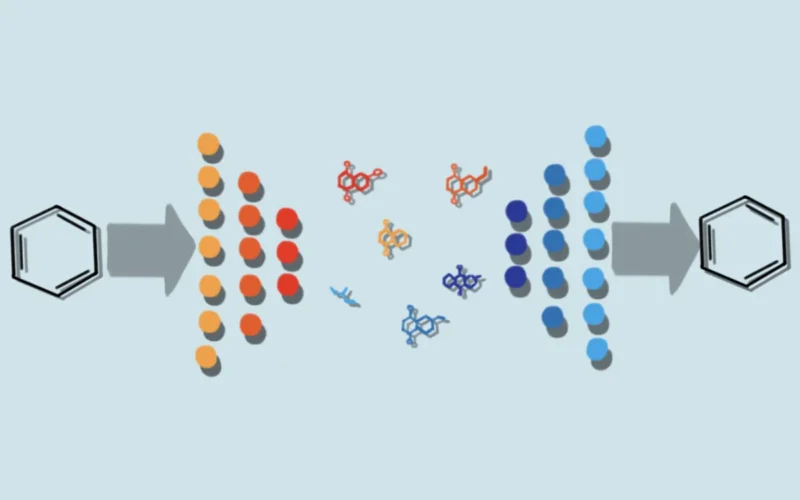
The hypothesis is an extension of the “crying for help hypothesis”, which has been around for decades. This “crying for help” hypothesis is a long-documented biological phenomenon in which plants emit herbivore-induced volatile organic compounds (HIPVs) under the attack of herbivorous insects. Herbivore-induced volatile compounds act as a signal for bodyguard enemies of herbivores. These predators – such as ants, wasps, or birds – will come to kill, remove, or deter herbivores in response to this cry for assistance.
Despite extensive literature on the “crying for help” hypothesis, there had been little research on what effect recruitment of bodyguards such as parasitoid wasps would have on plant response prior to Singer’s lab hypothesis.
Now, the Singer lab provides real evidence that suggests plants might not only be able to emit HIPV compounds to recruit bodyguard species, but also that plants can “anticipate help” in response to cues that a bodyguard is near. Effectively, after a confirmation cue that help has arrived, they can downregulate their defenses.
“The plant will cry for help, and then a bodyguard may or may not come. If it does come, the plant gets a confirmation cue that the bodyguard is there, then the plant will dampen its defenses. This adds to the current thought of plant defense, because really, it is a sequence of events.” Tamara Kancoglu said.
In this publication, Singer’s team analyzed data from past field and lab work to perform a meta-analysis on whether plants can detect and respond to cues from nearby bodyguards. One cue studied was the presence of mutualistic sap-feeding insects, as this is a sign that suggests a bodyguard is nearby. The team found that after induction by sap-feeding insects, plants dampened direct resistance mechanisms towards leaf-chewing herbivores.
Following the 2026 publication, the Singer lab team is now further investigating the implications of the hypothesis. Currently, PhD students in the lab, Tamara Kancoglu and Caitlin McNamara, are working on another meta-analysis on data in support of anticipating help. Their meta-analysis will look at whether plants anticipate help from parasitoid wasps and reduce their defenses in response. Caitlin is also looking at how caterpillars grow more when they feed on plants near parasitic wasps, because plants know the wasp will parasitize the caterpillar, so it has not activated defenses like they normally would.
“We would like to see more research on people’s specific study systems that see if plants are actually reducing their defenses in the presence of other bodyguards”. Tamara explains.
Although in its early stages, the publication of this hypothesis has large implications for the field of ecology and how we understand plants. It suggests that plants might be able to actively adjust their defense systems when safety is near, to shift their defense compounds to areas such as plant growth and reproduction.
“Often these [tri-trophic] interactions are studied from the herbivore side. Hopefully this research will expand the field and create knowledge we didn’t have before on the agency plants have in interactions.” Caitlin McNamara said. “Here the plant is saying, ‘Someone’s going to come and take this caterpillar away. I’m going to focus more on growing and reproducing.’
The “anticipating help” hypothesis expands on the knowledge that plants are able to emit compounds “crying for help”, and goes further to suggest they can know when help is near and respond. This models that plants may not just be victims of herbivores. Instead, the Singer lab’s publication indicates that plants might be highly perceptive organisms capable of outsourcing and anticipating ecological protection.
References
- Singer MS, Kancoglu TM, Doerwaldt HA, Fairchild AG, Harper IE, Lemire HS, McNamara C, McPherson I, Tall M. Plants Anticipating Help: A New Hypothesis in Plant Defence Theory. Ecol Lett. 2026 Jan;29(1):e70305. doi: 10.1111/ele.70305. PMID: 41474340.
- Michael Singer. (2026). https://msinger.faculty.wesleyan.edu/
Spotted an error? Email [email protected] from your Wesleyan account.